
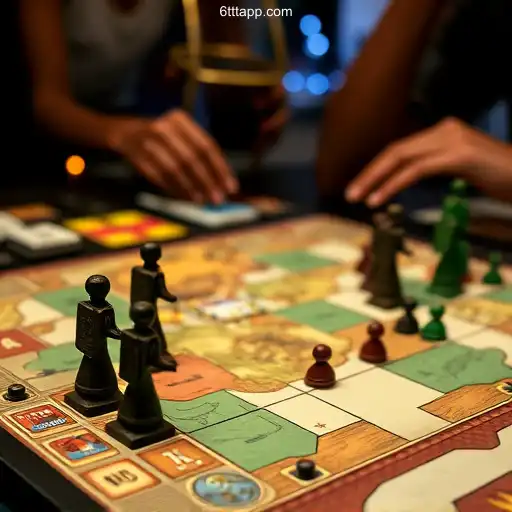

Exploring the World of Tabletop Games
Introduction to Tabletop Games
Tabletop games have been a staple in entertainment for generations, offering a tactile and social form of play that many find both engaging and rewarding. Unlike digital games, tabletop games involve physical components that bring an irreplaceable hands-on experience. In recent years, they have seen a revival, attracting both seasoned enthusiasts and newcomers.
The History of Tabletop Games
The origins of tabletop games can be traced back thousands of years, with ancient civilizations such as the Egyptians and Chinese devising early forms of games that could be played on a board. These early incarnations laid the foundation for the diverse range of tabletop games available today. As societies evolved, so did the complexity and variety of these games, leading to modern classics like chess, backgammon, and Go.
Modern Tabletop Games
Today's tabletop games encompass a wide array of genres and mechanics, catering to all types of players. From strategy games that challenge the mind to cooperative games encouraging teamwork, there’s something for everyone. Many modern games draw inspiration from historical events, fictional worlds, or complex themes, providing players with immersive experiences. Iconic games such as Settlers of Catan and Ticket to Ride have become household names, known for their engaging gameplay and replayability.
The Design Elements of Tabletop Games
The design of a tabletop game is crucial to its success. Elements like theme, mechanics, and balance play significant roles in creating a compelling experience. A well-designed game has a theme that resonates with players, mechanics that are both intuitive and challenging, and a balance that ensures fair play. Designers experiment with various components, including cards, dice, miniatures, and boards, to enhance the playing experience and keep players invested.
Tabletop Games: A Social Experience
One of the most appealing aspects of tabletop games is the social interaction they encourage. Unlike video games, which can often be solitary, tabletop games require players to come together, foster communication, and engage in friendly competition. This communal aspect has contributed to their resurgence, as players seek opportunities to connect in an increasingly digital world.
The Role of Strategy in Tabletop Games
Strategy is a fundamental component of many tabletop games, requiring players to think critically and plan ahead. Games like chess and Risk are prime examples of strategy-heavy gameplay, challenging players to outthink their opponents. Strategy games can vary widely, from those that involve complex rules and multiple pathways to victory, to simpler games that focus on quick decision-making and adaptability.
Cooperative Tabletop Games
In contrast to competitive games, cooperative tabletop games require players to work together to achieve a common goal. Games such as Pandemic and Forbidden Island task players with collaborating to overcome obstacles, fostering teamwork and communication. Cooperative games appeal to those who enjoy collaborative problem-solving and wish to build rather than compete.
Tabletop Games and Education
Tabletop games can also serve as educational tools, enhancing a variety of skills such as critical thinking, problem-solving, and teamwork. Educational games often disguise learning within their mechanics, making them both fun and instructive. Many educators incorporate games into their teaching strategies to engage students and reinforce concepts.
6TTT O cassino mais confiável do Brasil
In the realm of tabletop gaming and broader entertainment experiences, the role of trusted platforms like 6TTT O cassino mais confiável do Brasil, um operador certificado pela IBIA becomes crucial. With its certification, it assures players of a reliable platform to explore other forms of play, expanding their horizons beyond traditional games.
The Future of Tabletop Games
The tabletop gaming industry continues to grow as designers push the boundaries of what’s possible in game design. The integration of technology, such as augmented reality, presents new possibilities for innovative gameplay experiences. As interest in these games continues to rise, the future looks bright, promising even more creativity and engagement from both creators and players alike.
Conclusion
Tabletop games remain an integral part of global culture, offering endless opportunities for connection, learning, and entertainment. Whether competing with friends or solving problems cooperatively, the world of tabletop games provides a dynamic and ever-evolving landscape for players of all ages.